Solid Foundations | A Broader Vision
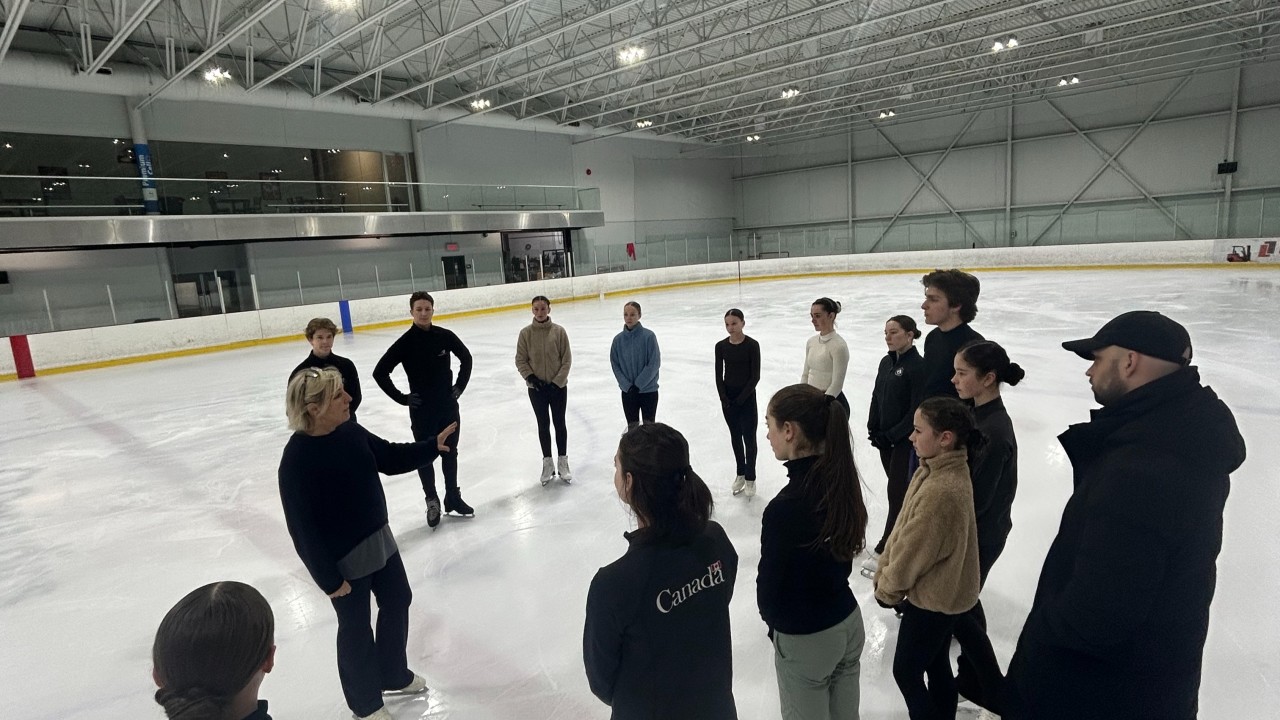
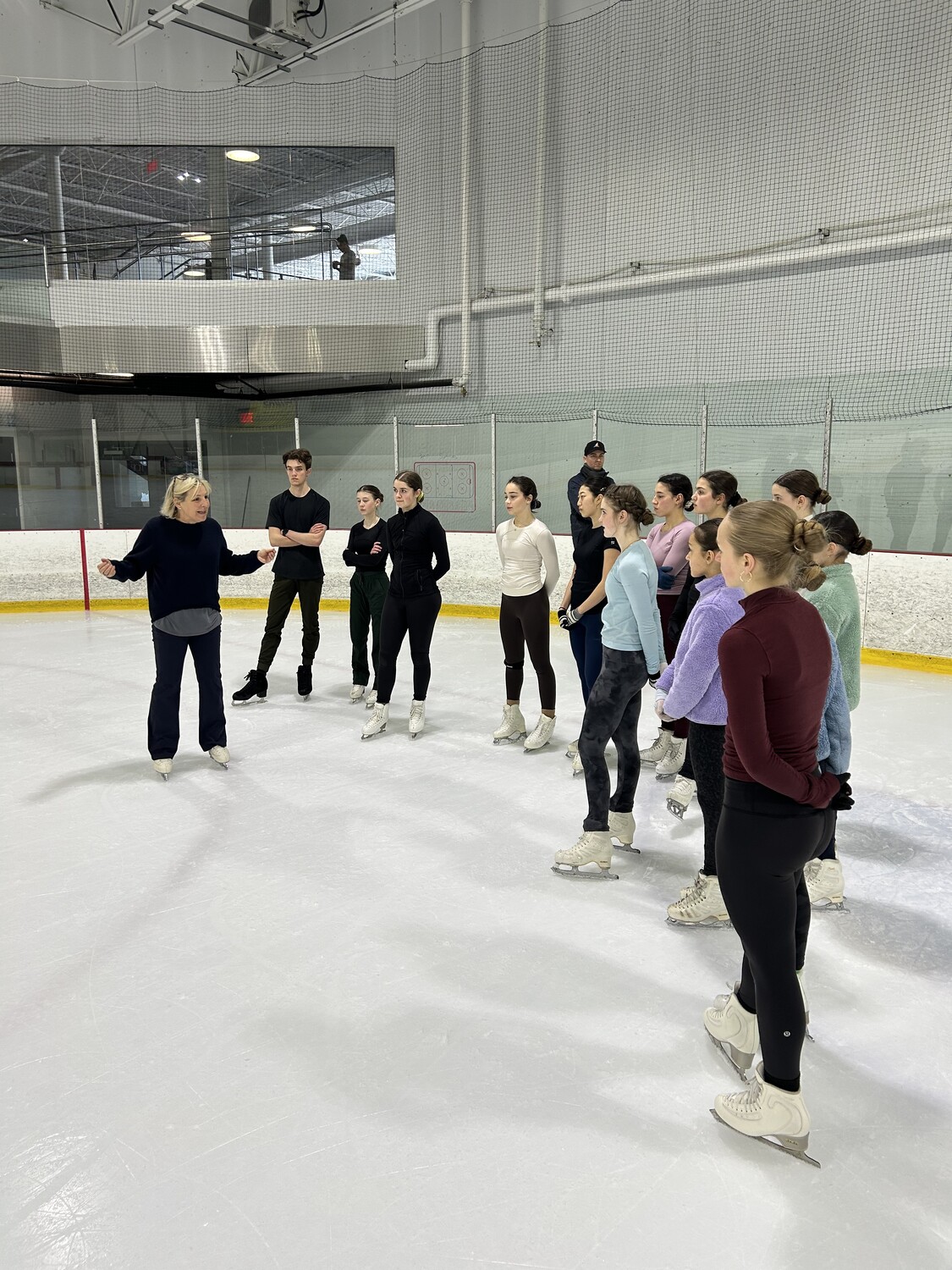
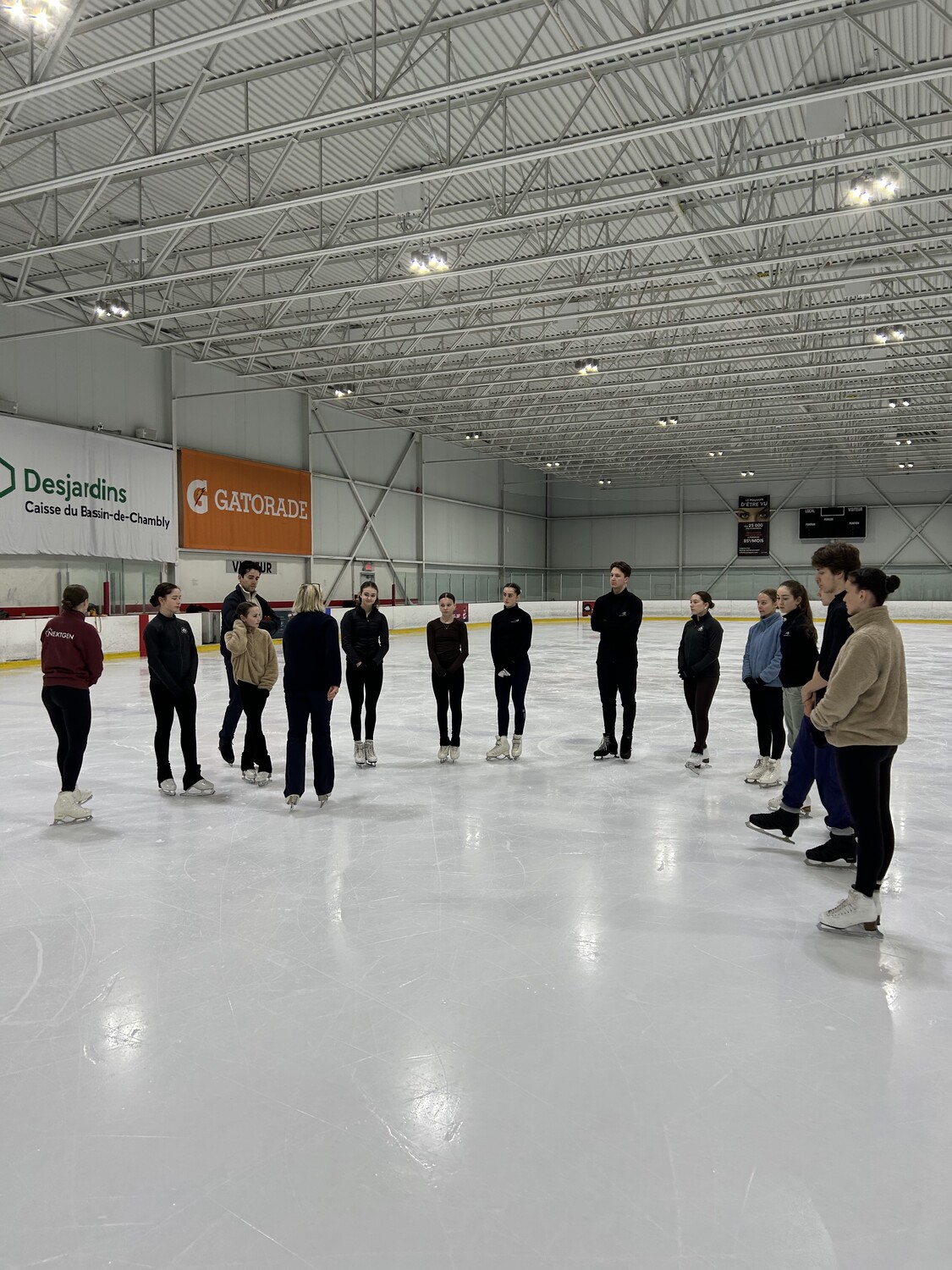
When Tracy Wilson joined us on the ice, something clicked: her words didn’t just echo — they revealed. Her philosophy captured so much of what we strive to live and breathe every day. This reflection brings together her voice and the principles we carry forward in our work with athletes.
Developing an athlete isn’t just about stacking skills. It’s about growing a person — in their abilities, yes, but also in how they see themselves, how they learn, and how they move through both success and challenge. The work unfolds across three essential dimensions.
Skills — and much more
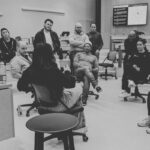
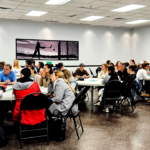
Technical development matters. But not in isolation. In a recent coach workshop, the focus wasn’t just on the mechanics of a specific element, but also on how to adapt teaching to an athlete’s emotional or energetic state. Knowing how to teach is just as vital as knowing what to teach.
When emotion becomes a learning tool
Technique is one thing. But real transformation happens when a young person learns to understand what’s going on inside. When they can sit with discomfort, give meaning to fear, or reinvent themselves after a hard moment. What is felt matters just as much as what is performed. Mastery also comes from self-awareness — learning to read oneself before correcting the gesture.
“What’s in the way is the way.” Tracy Wilson
“You can self-correct by listening to your blade.” Tracy Wilson
Learn, stumble, try again
Growth rarely comes from instruction alone. It comes from falling, doubting, missing a solo, making a choice. These moments shape the journey. After a competition, a tough training, or a surprising success, there is time set aside to debrief, reflect, and reset. Experience becomes fertile ground — but only when given the space to take root.
Listen, understand, rise: a conversation with Tracy
“I never lose sight of the person.” Tracy Wilson
1- What is the core philosophy you try to share with athletes during camps like this one?
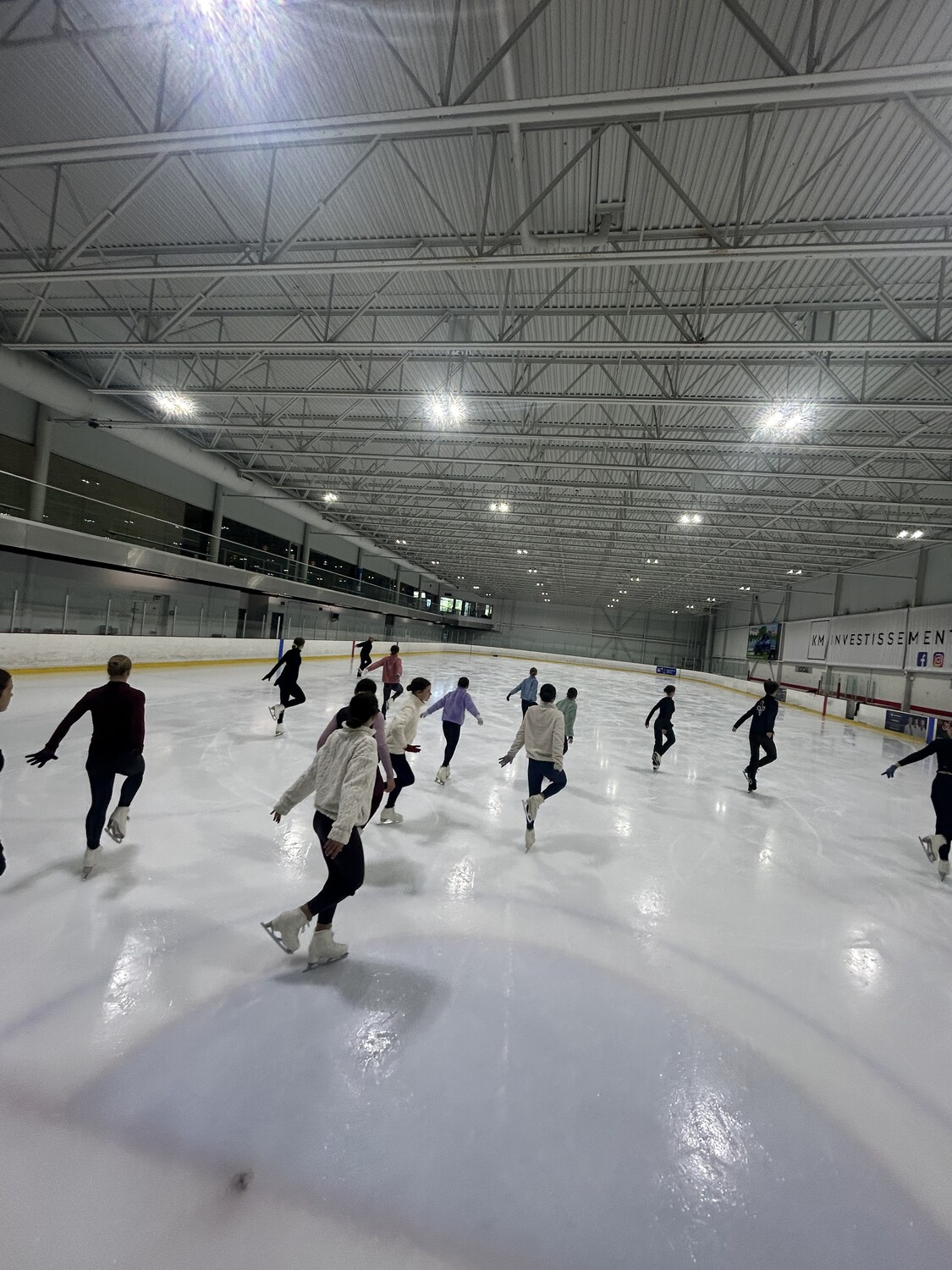
My core philosophy begins with the relationship between the blade and the ice. Skaters need to understand how the blade glides, how it functions — that’s the foundation. From there, it’s about rhythm through the knees, which helps generate flow and power. Finally, I bring the focus up to the core, which must be strong and stable.
Ultimately, I aim to help skaters find their power and agility. That’s where the joy of skating lives. I focus on building solid basics so that when athletes are in their programs — dealing with complex elements — the skating in between becomes their place of comfort, confidence, and joy.
“The body loves clarity.” Tracy Wilson
2- How do you balance technical development with helping skaters build confidence and character?
I believe that technical development is how skaters build confidence. When I get very precise and picky in my coaching, I explain why: identifying a weakness is a gift, because it’s the gateway to growth.
There’s a Buddhist idea I love — what’s in the way is the way. The challenge is the path. I create exercises that are uncomfortable on purpose. When something feels awkward or hard, it usually reveals a weakness. And if we fix it in stroking, it will improve their jumps, their spins — everything.
As skaters take ownership of their weaknesses and start correcting them, confidence naturally follows. They begin to understand their own technique, and that understanding is empowering. I want them to know they are capable of so much — but to get there, they need to face discomfort, not avoid it.
3- What are the key lessons you hope young athletes take away — not just for skating, but for life?
What kept me in skating wasn’t success — it was love. Even when I was told I was too old, too tall, or not good enough, I stayed because I loved it. My parents understood that. They supported me even when others said I’d never make it to Canadians or the Olympics. For them, the fact that I loved skating and was improving was enough.
Skating teaches life. You fall, you get up. You step on the ice alone in competition — exposed, vulnerable — and you do it anyway. You learn resilience. You build character. And the friendships you create along the way? They last. My closest friend today was my biggest competitor when I was 12. Brian Orser and I have been close since we were 18, and we now coach together.
When I stood on the Olympic podium, my strongest feeling was gratitude — not just for the result, but for all I had learned about myself through the journey.
4- How do you integrate the human and emotional aspects of development into your coaching?
I never lose sight of the person. Before anything else, this young person in front of me wants to be a skater. So yes, I coach the athlete — but I care for the human first.
I look at what drew them to skating. What do they love? What are they naturally good at? That’s where we begin. From there, we explore what they need to learn and how they can grow.
Some skaters are pure athletes. Others are artists. There’s no one way to be a skater — and that’s also true in life. The goal is not to copy others, but to become the best version of yourself. When Rob McCall and I competed, we knew we couldn’t “out-art” the top teams. So we played our own game. We brought athleticism and intricate footwork to ice dance — something we loved and believed could grow the sport.
You grow by leaning into your strengths and building your weaknesses — not by pretending to be someone else.
5- What advice would you give to coaches who want to inspire and mobilize their athletes toward excellence?
“The magic in coaching is when we’re learning as much or more than we’re teaching.”
Develop yourself first. That’s where the magic of coaching begins — when we’re learning as much as we’re teaching.
I’ve learned from every student I’ve ever worked with — from young hockey players to Olympic champions like Yuzuru Hanyu, and even from adult skaters. We ride the emotional waves with them. It can be exhausting, especially when dealing with parents, who are partners in this process.
The best way I’ve found to manage the emotions of others is to manage my own. That self-regulation is key — not just for our sanity, but for our integrity. This job will test you, sometimes deeply. But when you stay grounded, you create space for real transformation.
At the end of the day, the most rewarding part of coaching is seeing your skaters grow — not just in competition, but as people. That’s what it’s all about.
We never grow alone
What resonates most in Tracy’s words is her ability to honor every layer of development — from movement to mindset, from technique to humanity. This transformation never happens in a vacuum.
An athlete’s journey is shaped by an entire ecosystem: coaches, parents, peers, judges, social expectations. Often, it’s not just what is taught, but how all these actors communicate with one another that makes the difference. Not everything is within our control. But it is possible to foster a climate where conversations happen, where roles are better understood, and where everyone feels like a meaningful part of a shared path.
This is what we’re committed to building — day after day — on and off the ice.
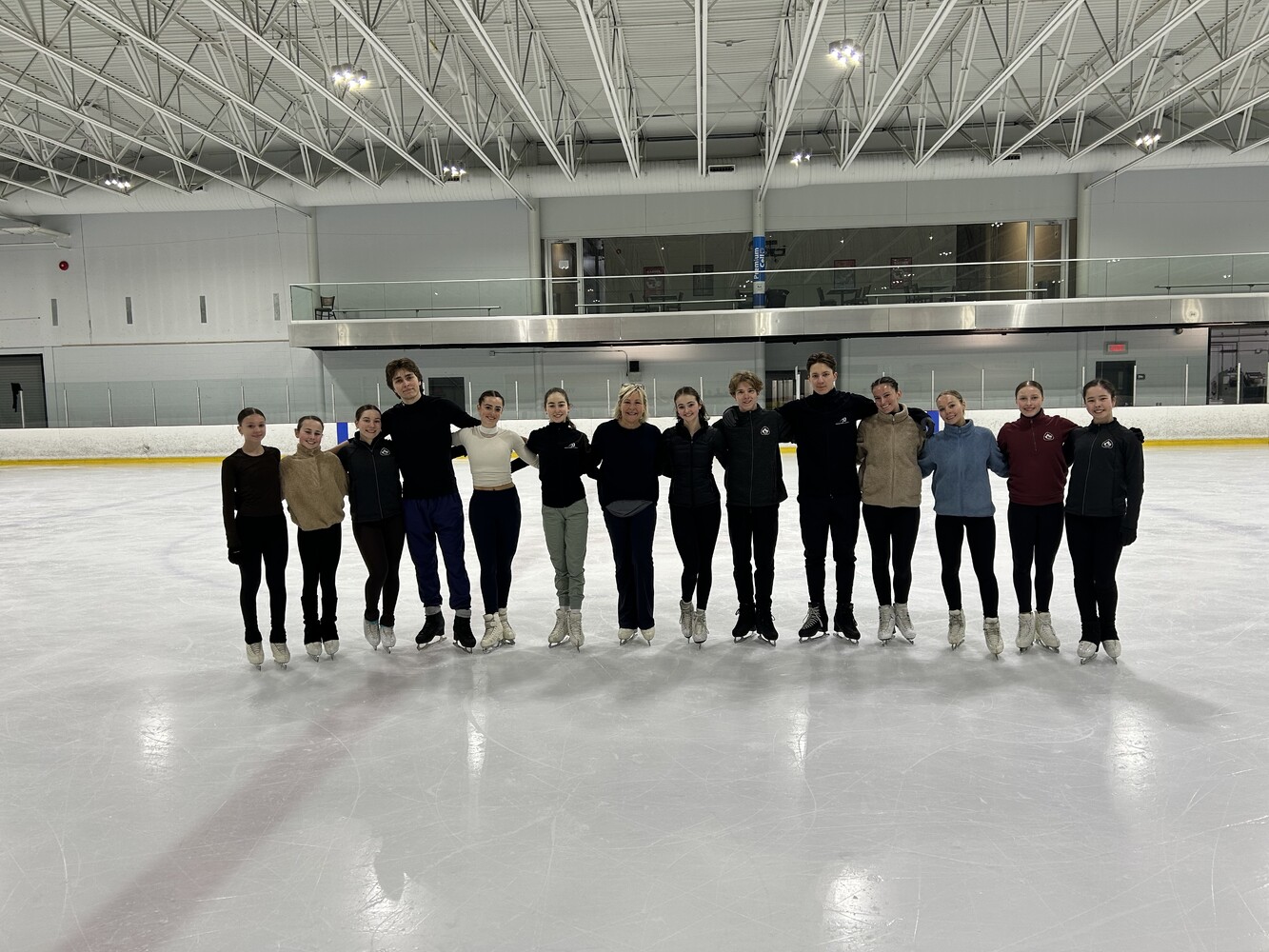
— From the team at Académie Performance Isatis
Photography and words captured during Tracy Wilson’s visit – May 2025